tribology (noun): a study that deals with the design, friction, wear, and lubrication of interacting surfaces in relative motion (as in bearings or gears)
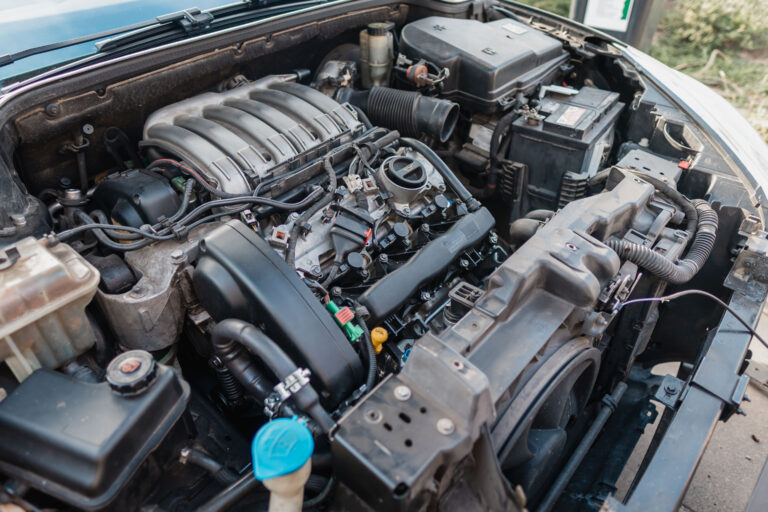
Engines rely on lubricants to separate rapidly moving surfaces while controlling friction, wear, heat, deposits, and corrosion.
CNC machinery depends on lubricants for bearings, slides, gears, spindles, and metalworking interfaces where precision can be lost to friction and wear.
Steel production pushes lubricants to extremes, requiring them to maintain protection against friction and wear despite intense heat, heavy loads, water, scale, and contamination.
Transmissions depend on lubricants to protect gears, bearings, and synchronizers against friction, wear, heat, and surface fatigue.
Steam turbines for power generation require exceptionally reliable lubrication to minimize bearing friction, wear, oxidation, deposits, and downtime at high speed.
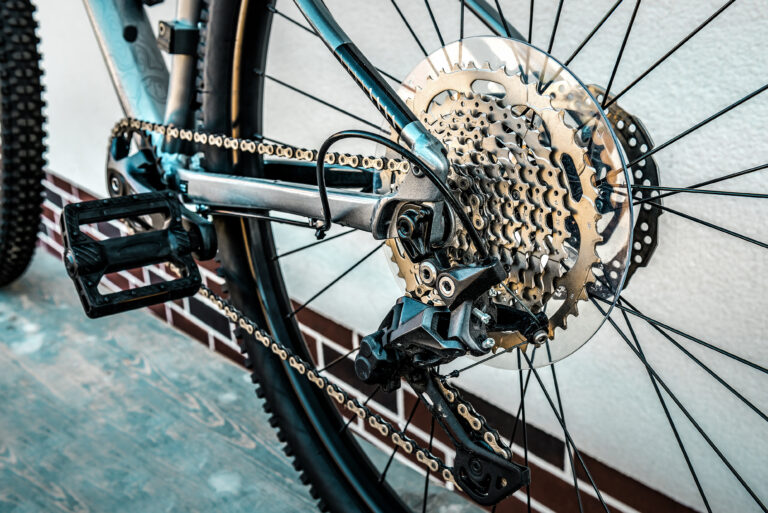
Bicycle drivetrains depend on chain lubrication to reduce friction and wear between chains, sprockets, and derailleur components.
Agricultural machinery relies on lubrication to protect bearings, gears, chains, hydraulics, and pivots from dust, water, shock loads, and wear.
Electrified transportation creates new lubrication challenges involving electric motors, bearings, thermal management, and electrical compatibility.
Outdoor monuments demonstrate how moisture, pollutants, oxidation, and surface exposure produce corrosion and material degradation over time.
Some gears require tacky lubricants that cling to gear teeth, resist fling-off at speed, and minimize misting or spray beyond the contact zone.
Rock climbing depends on controlled friction between the climber, shoes, hands, and rock surface to generate grip and prevent slipping.
Mining equipment places extreme demands on lubricants through heavy loads, shock loading, contamination, and abrasive wear.
Forging depends on lubrication to control die friction, metal flow, heat transfer, wear, and surface finish.
Hydraulic fluids transmit power while simultaneously lubricating pumps and valves and protecting components against wear, corrosion, and deposits.
Skiing is fundamentally a friction problem, with ski-base materials, wax, snow conditions, pressure, and temperature controlling glide.
Paper machines contain heavily loaded bearings, gears, rolls, and hydraulic systems that depend on reliable lubrication in hot, wet environments.
Ice skating relies on low friction between the skate blade and ice, with pressure, temperature, and the thin interfacial water layer influencing glide.
Brakes intentionally maximize controlled friction, converting vehicle motion into heat while managing pad and rotor wear.
Chainsaw bar-and-chain oil reduces sliding friction, heat, and wear where the chain moves at high speed against the guide bar.
Erosion is wear on a geological scale, as particles, wind, and water progressively remove material from a surface.
Metal cutting is an extreme tribological interface where cutting fluids can reduce friction, heat, tool wear, and poor surface finish.
Braille relies on tactile friction and surface texture, allowing raised patterns to transmit information through controlled contact between the fingertip and surface.
Rust illustrates the close relationship between corrosion and tribology, since corroded surfaces can accelerate friction and mechanical wear.
Lubricating greases combine a lubricating fluid with a thickener system to stay in place, maintain a protective film, and reduce friction and wear where oils may not remain effectively.
Food preparation lines require NSF H1 lubricants to control friction and wear while remaining suitable for applications where incidental food contact may occur.
Friction between a bow and string is deliberately controlled to convert sliding motion into vibration and sound.
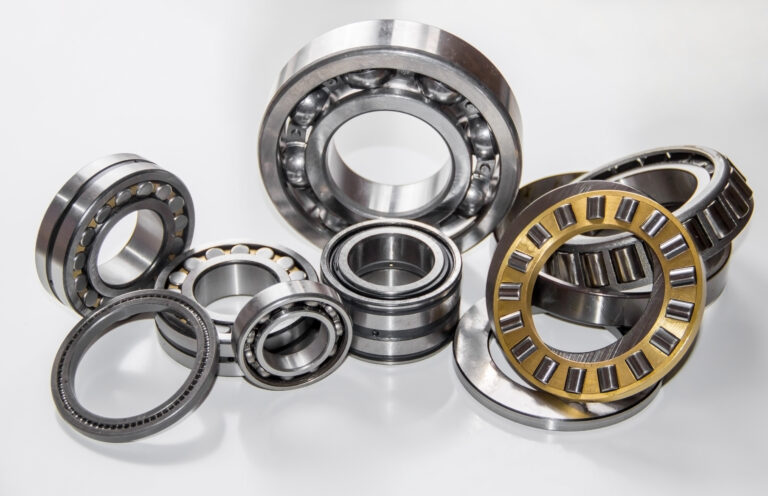
Bearings are fundamental tribological components designed to reduce friction and control wear between surfaces in relative motion.
Gearboxes rely on properly selected lubricants to prevent scuffing, pitting, micropitting, and excessive friction under concentrated loads.
Bowling depends on controlled friction between the ball and lane to determine skid, hook, and energy transfer into the pins.
Lubricant analysis uses changes in oil condition, contamination, and wear debris to reveal what is happening inside machinery.
Hiking boots use tread geometry, rubber properties, and surface friction to generate grip on uneven terrain.
Friction between moving parts in vehicles and industrial equipment is estimated to account for nearly one-quarter of the world’s energy consumption. The science dedicated to understanding and controlling friction, wear, and lubrication is called tribology. Better tribology leads to longer equipment life, improved efficiency, lower maintenance costs, reduced energy consumption, and a smaller environmental footprint.
Every lubricant begins with a base oil—whether petroleum, synthetic, renewable, or re-refined—but it is additive technology that transforms that oil into a high-performance lubricant. Viscosity modifiers, tackifiers, antiwear additives, corrosion inhibitors, friction modifiers, dispersants, and many other chemistries work together to deliver the performance modern equipment demands. Better additive technology enables better lubricants, helping formulators optimize friction, wear protection, grease performance, durability, and sustainability for demanding industrial and automotive applications.
For more than four decades, Functional Products Inc. has developed and manufactured polymer-based lubricant additives that help formulators solve tribological challenges across industrial, automotive, food-grade, and specialty markets. Our technologies support both conventional lubricants and next-generation Environmentally Acceptable Lubricants (EALs), including biodegradable, biobased, re-refined, and other sustainable formulations. Whether your challenge is friction, wear, viscosity, grease structure, or sustainability, we’re ready to help Make it FUNCTIONAL with innovative chemistry, manufacturing expertise, and practical formulation support.
Want to learn more? Explore our guide to Viscosity, the single most important property in lubricant formulation, and see how Functional Products engineers polymer technologies to deliver it.